Exploring Experiential Marketing
When you walk past an exhibit or display that’s larger than life, you quickly identify it as one of two things – art or marketing. Watching Nike’s new LED jogging track was likely one of those moments for many passersby. The dazzling display would have been quickly flagged as a promotion. But that doesn’t diminish from the “Wow” impact of the scene.
In the video above, runners compete against themselves, generating avatars by running on the custom track. The track supports up to 30 runners, ideally providing the experience to growing numbers of athletes over time.
If you’re a regular visitor to the Stambol blog, you might be asking yourself why we’re talking about the Nike LED track. It isn’t, strictly speaking, a form of Virtuality. That’s true, but the experience is related, in spirit if not through tech. They’re cousins within the family of Experiential Marketing or Engagement Marketing.
It takes deep respect for your customer base – a level that borders on reverence – to undertake an experiential project. And what’s great about VR and AR is that the tech makes an experience strategy more accessible and affordable.
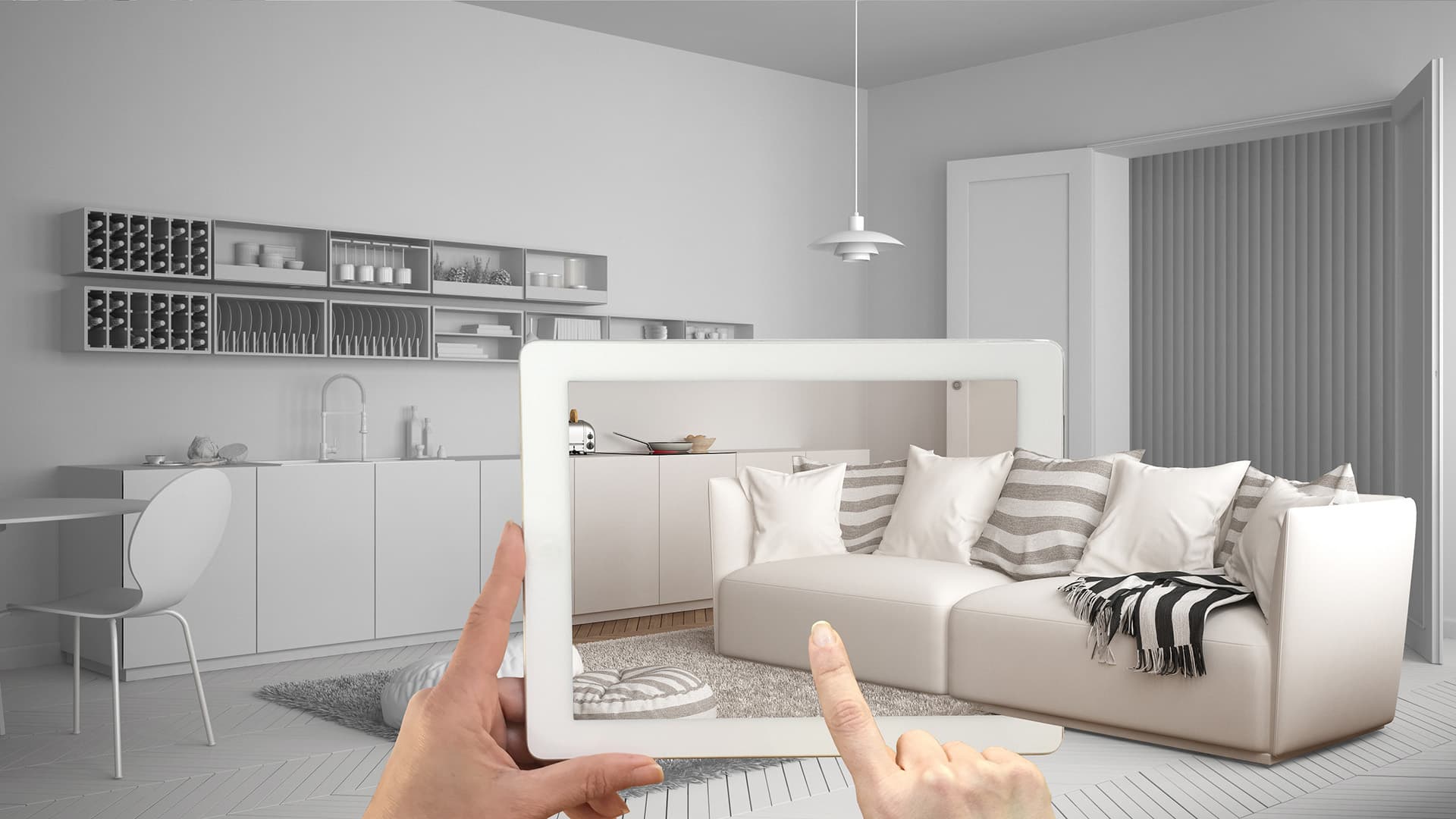
You might not be able to build a giant interactive shoe-shaped LED jogging track. But you CAN employ VR and AR to create an adventure for your customers that they’ll never forget. Check out our post on engaging customers through Virtualities for more ideas.
But don’t take our word on the power of engaging consumers with experiences. Read about it in Forbes magazine. Or in the Huffington Post.
When the time comes, the tailored experience VR or AR can offer your customers will depend on your product or service and target demographic. Would your product be better served by a pop-up VR demo in a busy urban area? Or would your brand achieve optimum engagement through a downloadable AR game?
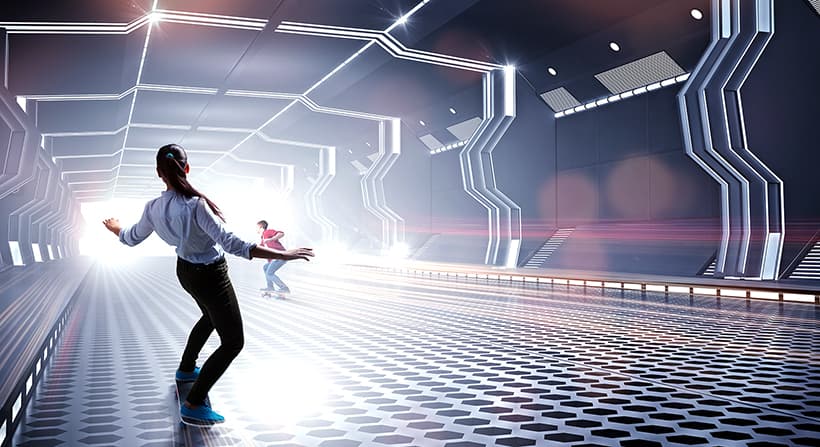
Remember, Virtualities, most notably the immersion of VR, can illicit positive emotional reactions and meaningful memories. Viewing a beautiful ad, be it print or digital, just isn’t the same.
VR and AR carry the element of interaction, like Nike’s avatar track. Consumers spend more time with your brand or product when they become part of the message.
Stambol Studios wants to help your brand achieve an engaging experience that shatters your expectations. Ask us how we’ll do it.
Photo Credit: Sergey Nivens / Adobe Stock