Overview
CONNECTING PHYSICAL AND DIGITAL EXPERIENCE
Locopass explored how proximity-based interactions, AI-driven personalization, and automation-friendly workflows could create a more connected, responsive customer journey.

CASE STUDY
Stambol Locopass Case Study: Proximity Marketing • Locopass explored how proximity-based interactions, AI-driven personalization, and automation-friendly workflows could create a more connected, responsive customer journey.
CONNECTING PHYSICAL AND DIGITAL EXPERIENCE
Locopass explored how proximity-based interactions, AI-driven personalization, and automation-friendly workflows could create a more connected, responsive customer journey.
MAKING PROXIMITY FEEL USEFUL
The product had to bridge physical environments and digital actions without introducing friction or complexity, while leaving room for smarter personalization and operational automation.
DESIGNING A SMARTER CONNECTION LAYER
We shaped the product around clarity and immediate utility, so users could engage with the experience without needing instructions, and so the system could support future AI-assisted and automation-driven touchpoints.
A CONNECTED EXPERIENCE WITH ROOM TO SCALE
HOW STAMBOL SHAPED LOCOPASS'S SUCCESS
The work focused on reducing friction and making proximity technology feel practical for real-world use, while keeping the platform open to AI-enhanced and automated follow-up experiences.
WHAT COMES NEXT
BUILT TO BRIDGE THE GAP
Locopass shows how a well-designed product can make advanced proximity features feel approachable and useful, while supporting AI-driven personalization and automation in the background.
MEDIA
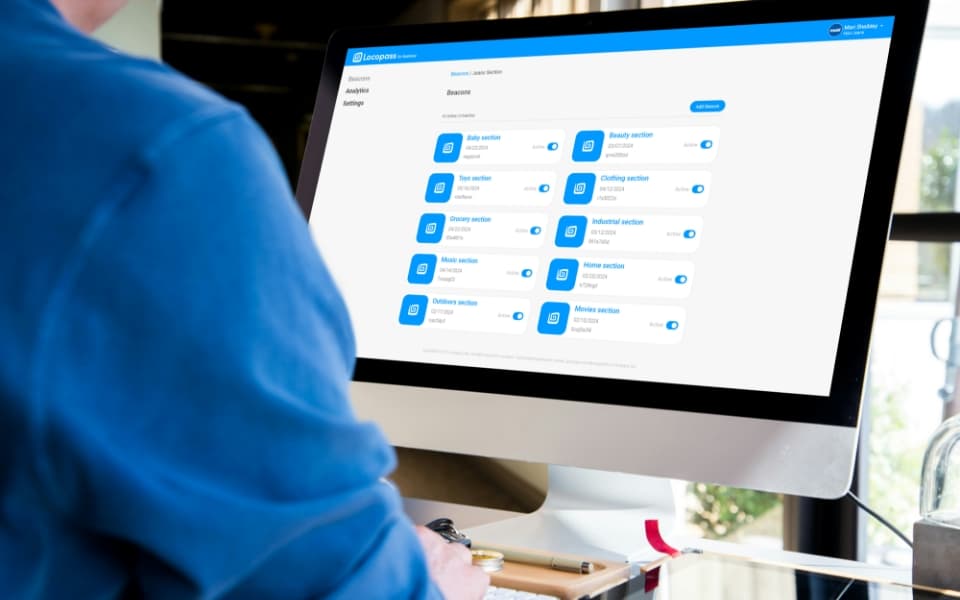
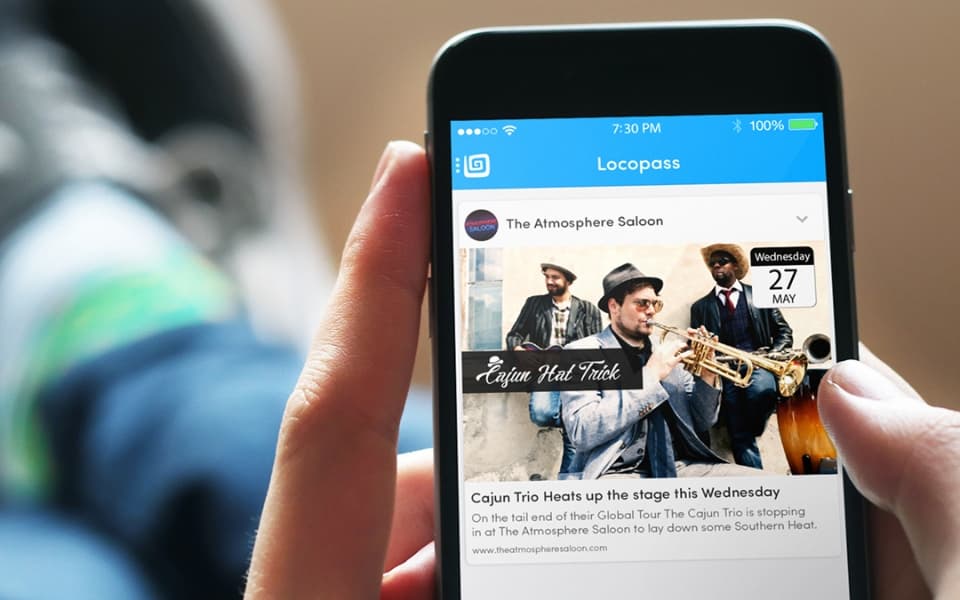
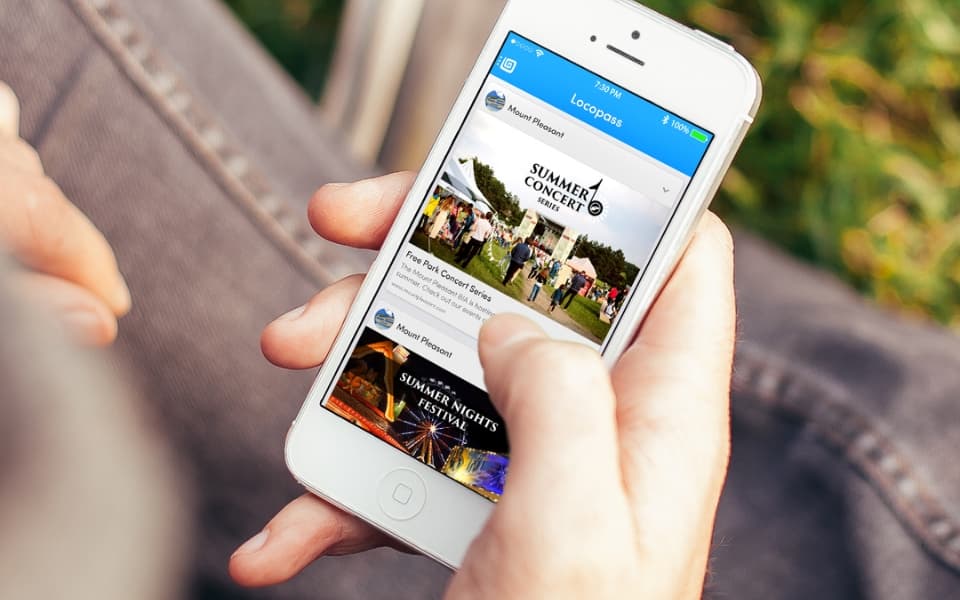
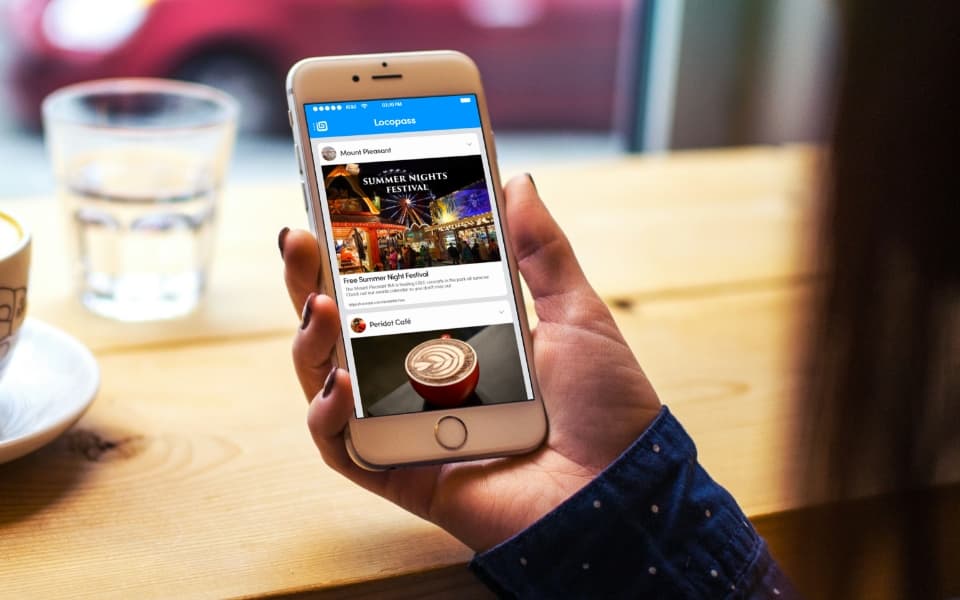
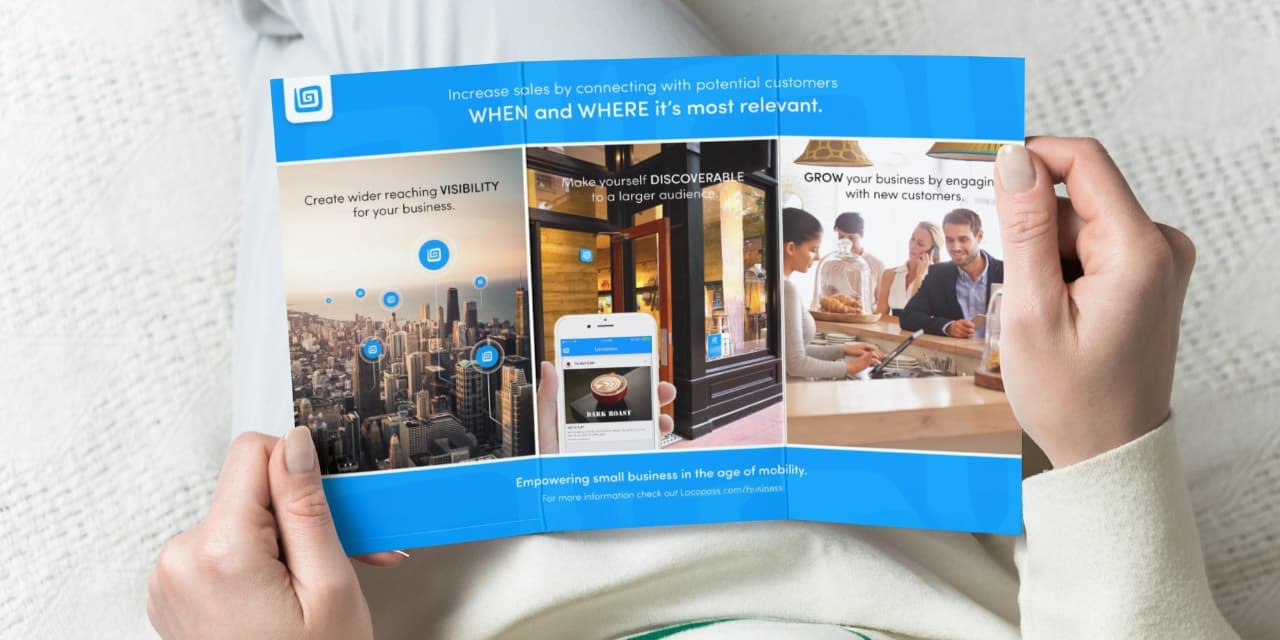
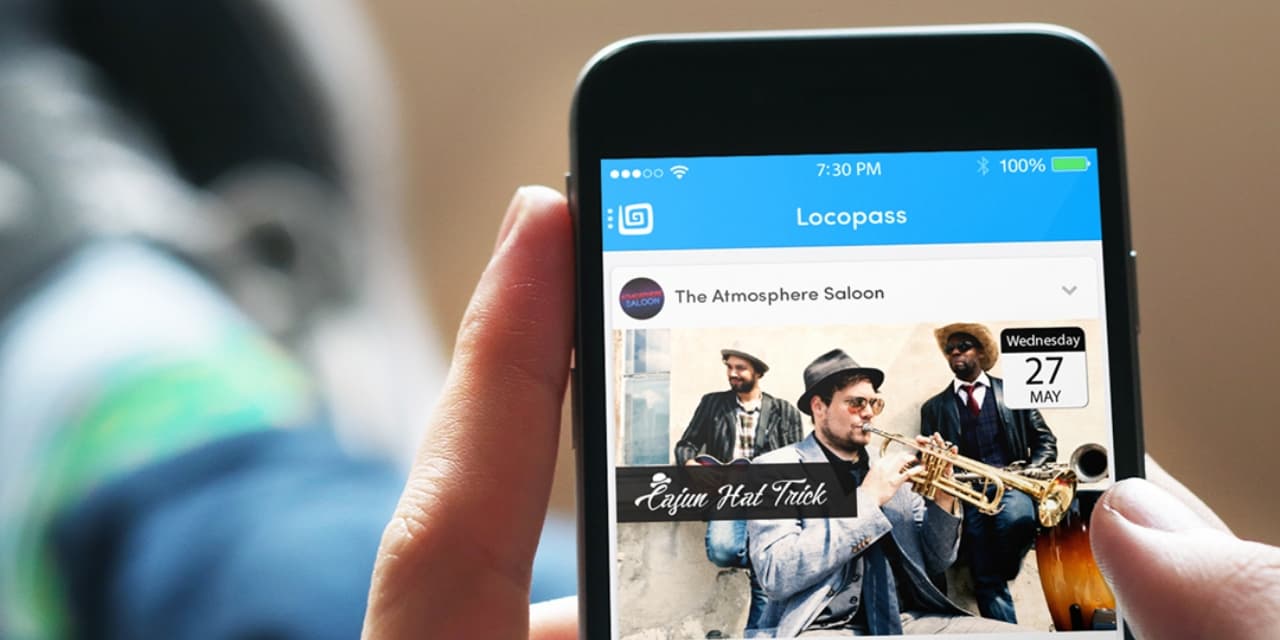
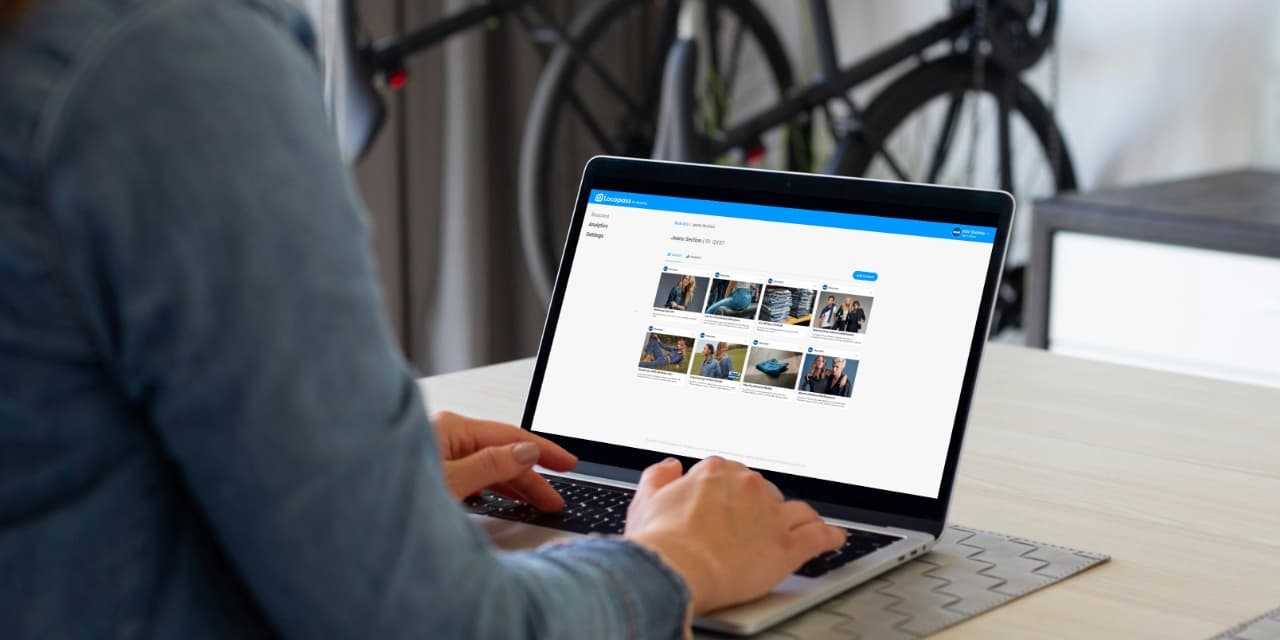
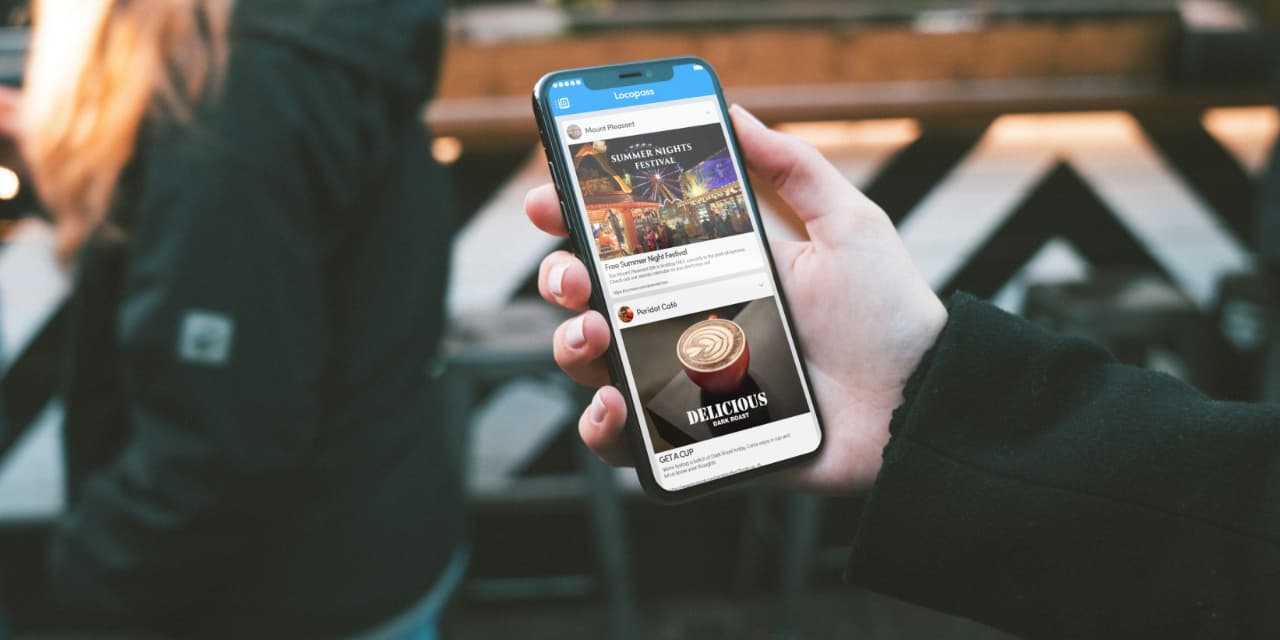
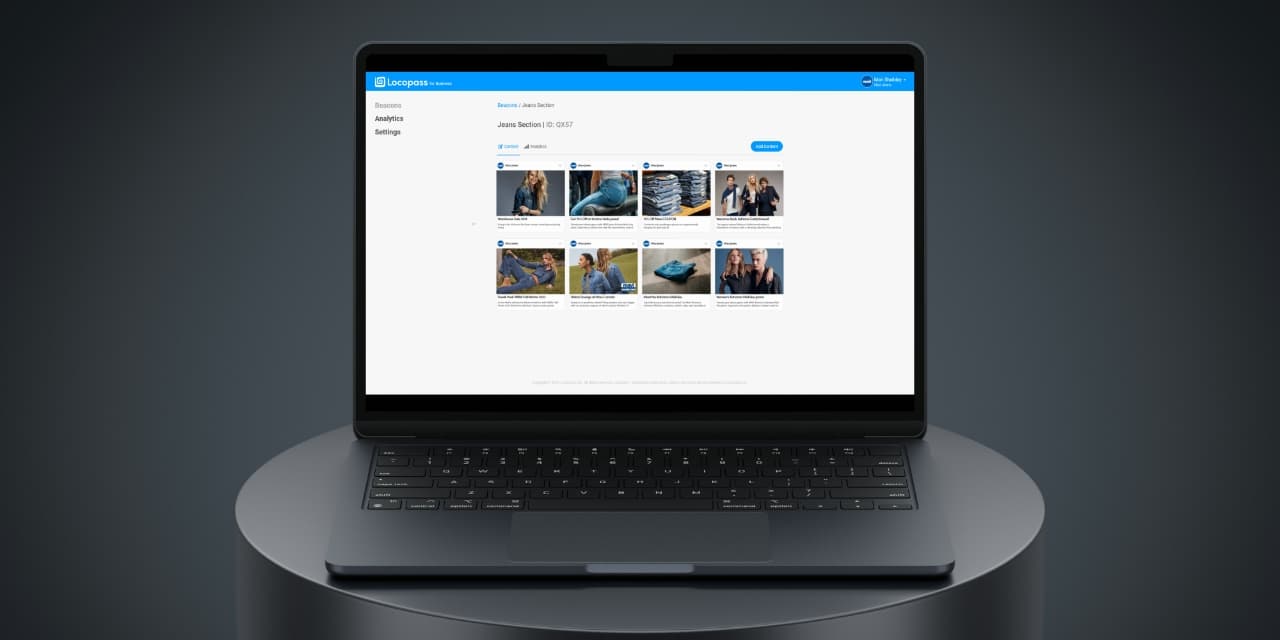
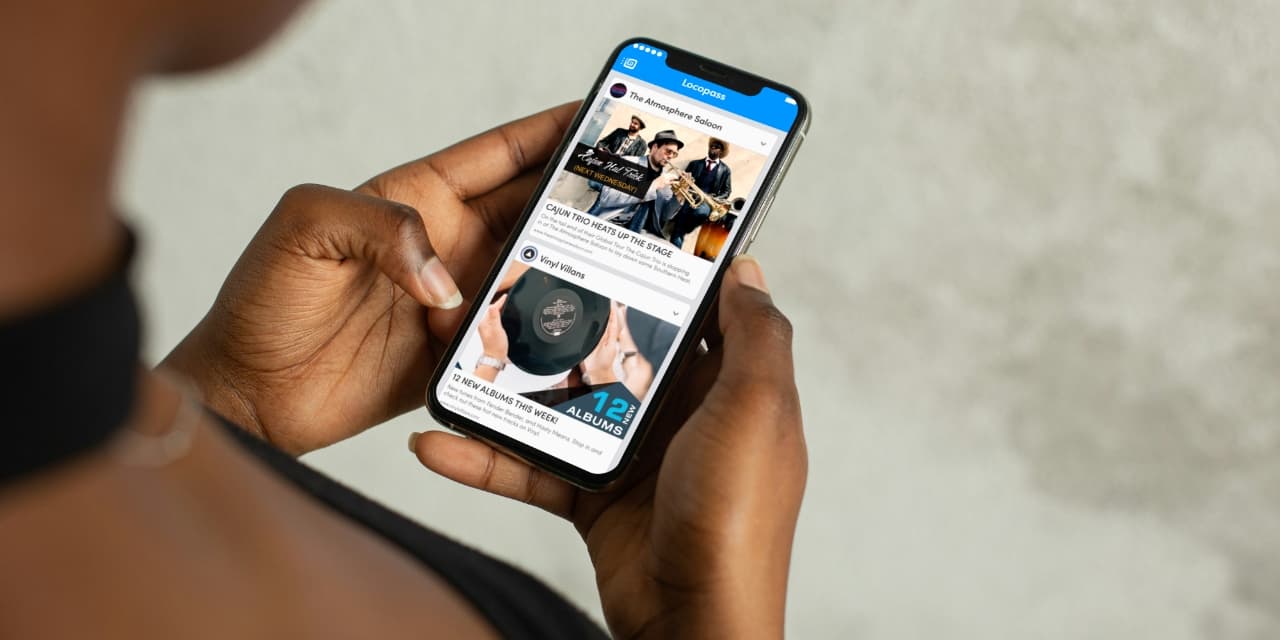
Visual assets and product flows used to explain the proximity marketing experience.




RELATED CASE STUDIES