Top 5 Ways the Built Environment Will Change Post-Pandemic
by Christine Hart in Architecture & Real Estate, Digital Twin, Enterprise, Smart Cities, Transformation
We’re all daydreaming of the moment COVID-19 releases its grip on our world. That day will come. And sooner than later in the grand scheme of things. But the way we envision the built environment will change irreversibly – for the better.
The idea of a world changed forever sounds ominous. So today we’re going to explore the idea of permanent improvements to our collective quality of life. Yes, our structures (both figurative and literal) will be changing, but this process looks more like evolution to us. It’s a step up. And we’re all going to benefit.
Here are the most noticeable differences:
-
- Automation yes, touch no.
- Security and sanitation go hand-in-hand.
- Hybrid live/workspaces for all.
- People-free transactions and new jobs.
- Ecommerce and home delivery will dominate.
That list might sound a bit simplistic and we know reality is complicated. So, let’s unpack these points in a bit more detail.
Built Environment with Smart Structures
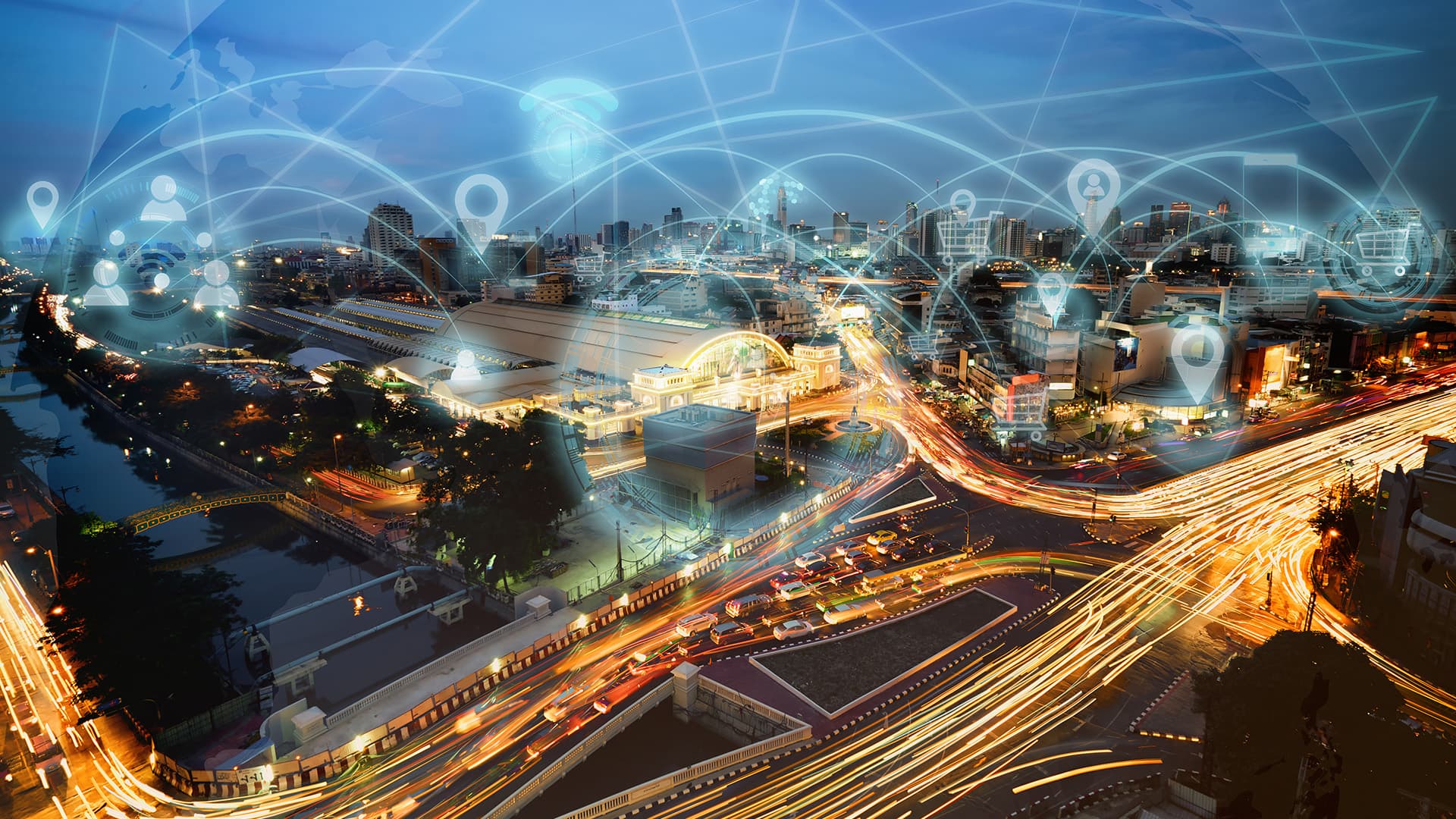
We already have much of the technology we need to replace human contact with smart sensors. And in a post-pandemic world, nobody wants to touch anything unnecessarily. So, the low-hanging-fruit of design upgrades will be the first to change.
Think of more touchless faucets and sensor-operated doors. Every doorknob, light switch, thermostat, and the high-traffic button will be swept away, replaced by motion activation or voice command. And every previous objection based on cost can be easily countered with memories of a global economic catastrophe.
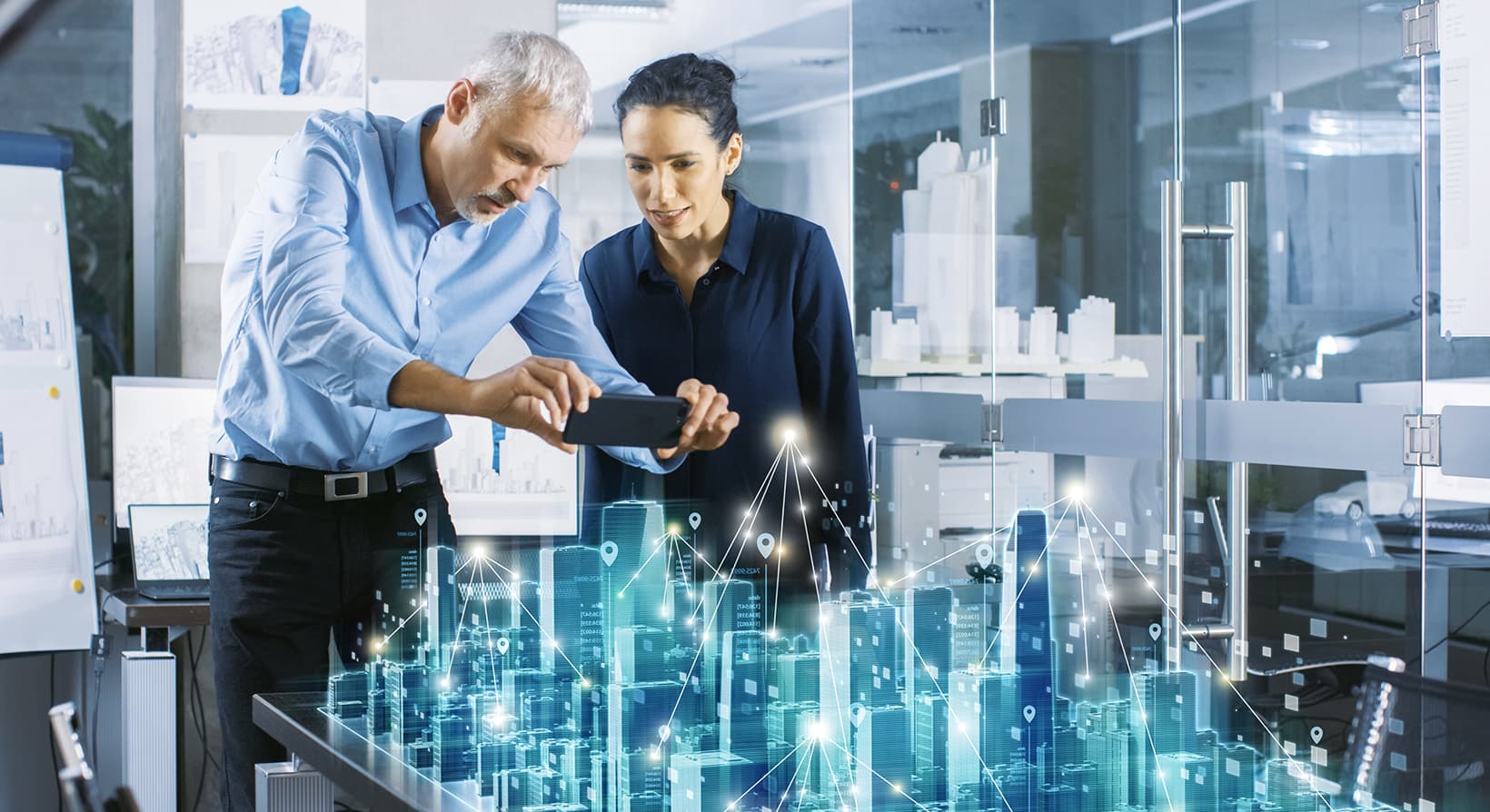
Digital Twins will be woven into every new construction project through the use of BIM data. While over time, buildings and infrastructure we retain, but upgrade, can be ‘twinned’ as well. We’ll want to monitor and correct structural and utility issues remotely as much as possible.
In our homes, particularly apartments and row houses where many people are packed into small footprints, sensors can add convenience as well. We’ve seen a slow transition from metal keys to key cards and keypad electronic door locks. But why swipe a card or punch buttons when you can simply wave a fob? Again, the costs associated with these changes can be weighed against the pitfalls of failing to evolve.
Spaces Must Be Sanitary to Be Secure
People are increasingly viewing cleanliness as an integral part of feeling safe. Fewer of us will be willing to tolerate poor hygiene in our built environments. Being a ‘neat freak’ or a ‘germophobe’ now has a new level of value.
And this won’t be the first time we overhaul both public and private life for the sake of hygiene. From the first Roman cities with plumbing to a post-cholera London, massive upgrades to infrastructure have happened before. Unfortunately, in many cases these changes are forced upon us by tragedy. The COVID-19 era is no exception. However, now that architects and urban planners are shut in with extra time to spare (armed with more knowledge about hygiene than any point in history) you can expect to see a host of fascinating design and technology innovations targeting all kinds of sanitation problems.
Consider the fact that our cities have been increasingly designed for housing density over the last few centuries. We can’t undo this quickly. And we don’t necessarily need to decentralize. Rather than scattering and sending everyone out to country homes that don’t exist, we’ll soon see adaptations like the above-mentioned smart spaces.
So, look for self-cleaning bathrooms to proliferate in public spaces. Watch for anti-bacterial surfaces and anti-microbial fabrics in every hotel, restaurant, museum, gallery, and shopping centre.
Form and function standards currently applied to the best hospitals and clinics will proliferate across buildings of every kind.
Built Environment Versatility is Essential
Many people who shift to working from home will likely continue to do so after the pandemic subsides. Not only because they have concerns about viral outbreaks occurring again, but many will find the adjustment desirable. Why commute or pay exorbitant urban rent when you can perform tasks and achieve career goals from home?
As shared recreation and fitness changes, these needs will come inside the home as well. Will you want to swim in a public pool or hot tub this time next year? Can you picture yourself carelessly gripping the handles of an exercise bike or vigorously lifting weights in a gym facility? No amount of assurance on cleanliness from proprietors will be enough for many people and home fitness is the most sensible alternative.
So, we see a shift coming en–masse to the way people conceive of and use primary living spaces. Just like large, shared public buildings, homes need fewer buttons, handles, doors, levers, and other points of tactile contact. But they also need multipurpose sleep, work, relaxation, and entertainment areas. Picture heated floors tied to voice-operated thermostats. And smart screen walls that take you from a serene forest for your morning yoga session through to your afternoon data analysis visuals and an evening movie to help you unwind. Are we suggesting that you’ll be talking to your walls? Yes, we are. And you’ll be surprised how easily you can adjust.
Automation in Public is Essential
Expanding on the smart city and structure ideas above, today’s architects and urban planners will need to lean on technology in ever more creative ways. We need our built environment visions to cleverly reduce points of contact between hands, fingers, feet, breath – really any potential point of contagion between individuals.
This means the automation of transactions and services previously performed by people. No more cashiers, baristas, and servers. Salon and spa facilities will change too. No more retail assistants to help you try on clothing. And for that matter, the practice of touching and holding products before you buy them will end too.
And we know that for some people, the first complaint is that these changes will remove jobs. That is true, and there is no way around it. But we also believe automated, sanitized buildings will create jobs as the transition progresses.
In the same way cashiers will become order pickers and packers, many service workers and cleaners will be more likely to see a shift in duties than an all-out job loss. Organizations that plan carefully and compassionately for changes to buildings will be able to retain more staff.
Tradespeople and landlords entering a private rental will drop off dramatically as well. The building information sensors outlined above can allow for remote maintenance. Only physical hardware failure will require hands-on repair, and in those cases, a technician will already know what needs to be fixed before entering a unit, cutting troubleshooting and analysis down to a minimum.
Home Deliveries & Remote Viewing Will Soar
The desire for safety, sanitation, and less contact with people will naturally dovetail to even more shopping online and home delivery. Residential architects and interior designers who can address home security with a view to package safety will find more interest in their work.
Increasing use of the term ‘porch pirate’ is one example of how the problem of package theft has grown. Does our future include drones dropping boxes and padded mailers into secure lockboxes where we once received paper junk mail? Will our food delivery come via flying robots? Yes, and it’s already happening.
If all these changes paint a picture in your mind’s eye that looks like the stark set of a dystopian thriller, we can put those fears to rest right away. These are changes that help, not hurt.
Perhaps a drone visiting your home on an errand traditionally carried out by a person does seem joyless. Is there a camera on that drone, watching you as you come to the door? We suggest re-framing the question. Would you allow a camera to view you picking up a parcel in exchange for knowing with certainty your expensive new tablet cannot be stolen off your front step?
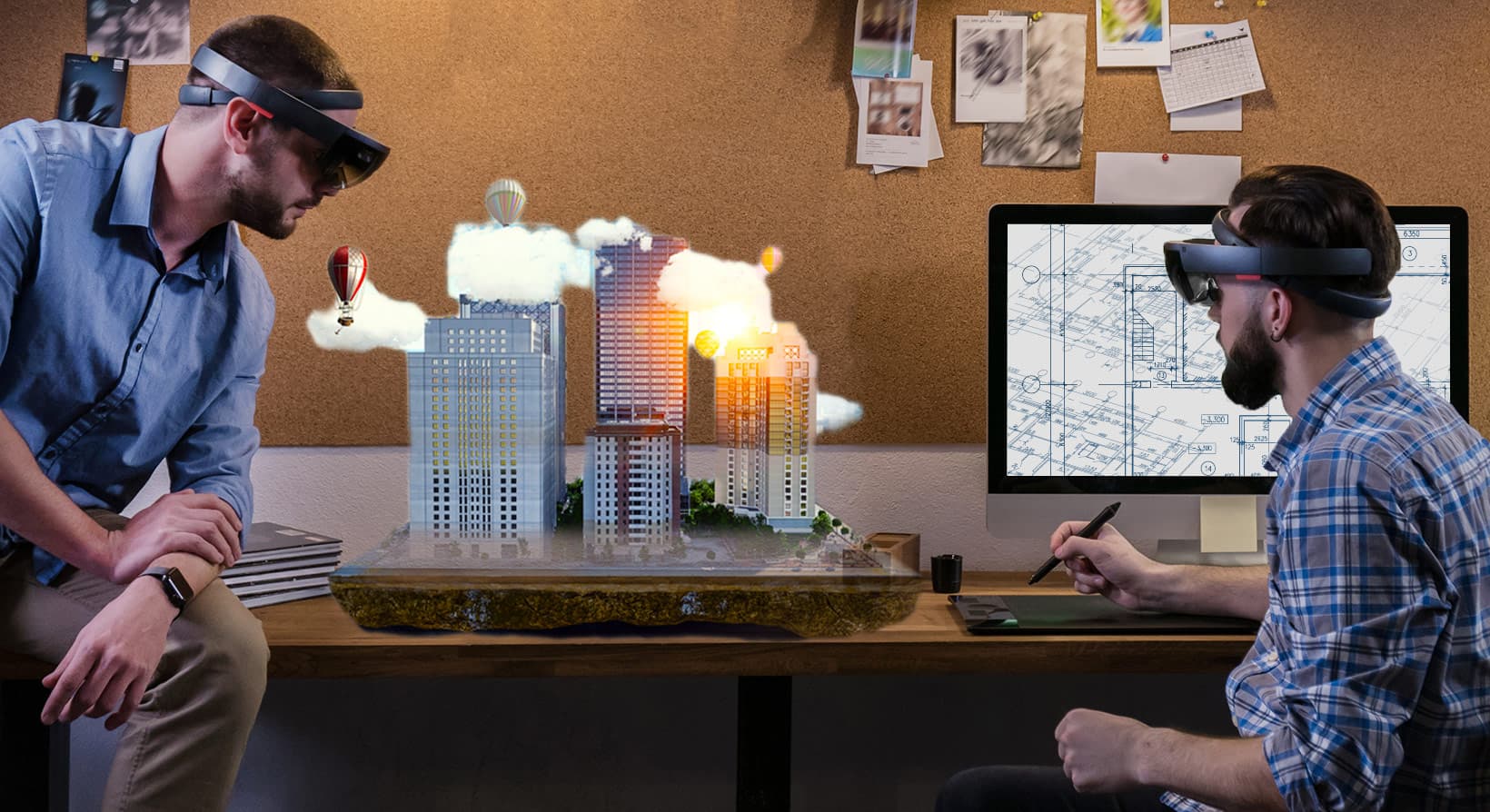
Even viewing a property you’re considering buying will be done remotely – whether it’s already built or not. Designers that specialize in home staging need to start thinking more about digital tools and less about furniture rental. Open houses and show homes are tactile nightmares, and consequently, are soon to be a thing of the past. Instead, developers need to adopt virtual tours and VR walkthroughs.
Built Environment Visionaries
While the future always holds an element of fear, rooted in uncertainty, it also holds the magic of possibility. We are in charge of what we build today, tomorrow, and many years from now.
At Stambol, we believe that technology can do more than just solve practical problems. These are devices and practices that can lift us up and look after masses of people, delivering a high standard of living. We see technology as the ultimate democratizing force, capable of expressing humanity’s best self in the form of truly amazing designs.
And our team has been honing expertise in built environment design since before we were even a team. Each of our staff members has specialized knowledge of architecture, design, art, and real estate sales. Ask us how these specialties converge into a unique perspective and an unmatched ability to solve life’s problems with innovative technology.
Feature Image Credit: Anna / Adobe Stock